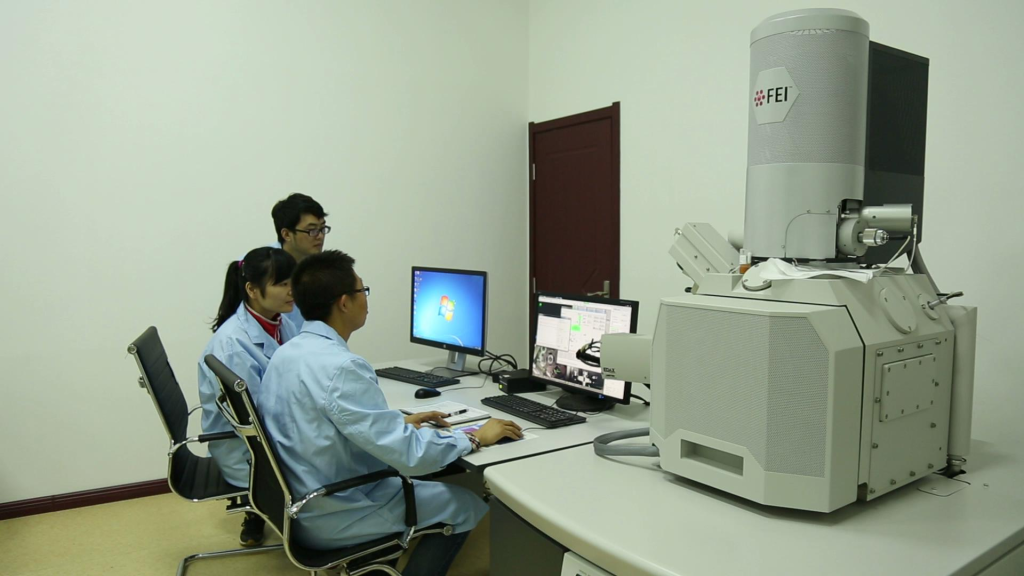
The Xi'an Key Laboratory of Implantable Device Formation and Optimization was approved as a municipal key laboratory by the Xi'an Science and Technology Bureau in November 2020. The current director of the laboratory is Prof.Liu Mingxia. The lab is supported by Xi'an University and collaborates with Xi'an Kangtuo Medical Technology Co., Ltd. to jointly establish and operate the lab through a school-enterprise joint model featuring deep integration of industry, academia, and research.
Addressing the significant clinical needs and industrial bottlenecks related to the customization and high safety of implantable devices, the lab leverages the disciplinary strengths of Xi'an University and the product transformation expertise of Kangtuo Medical in the field of high-end implants. It focuses on core common technical challenges in the industry.
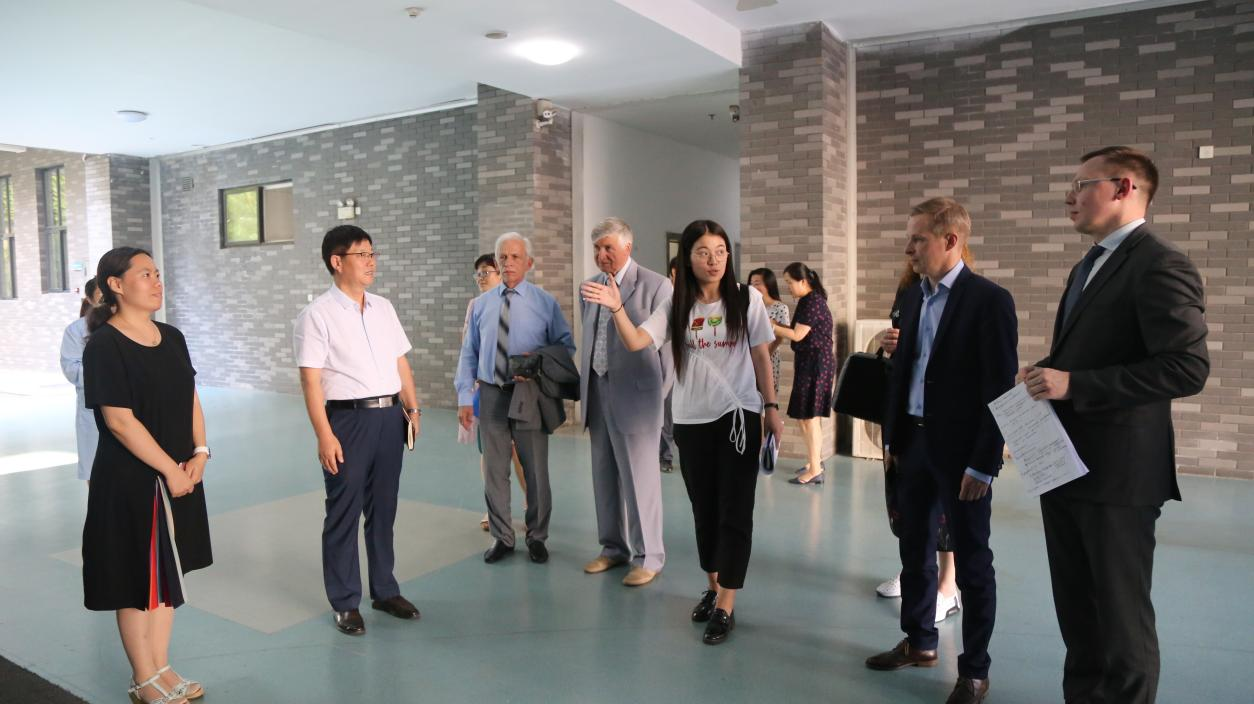
The lab takes titanium-magnesium alloys and polyetheretherketone (PEEK), two cutting-edge medical materials, as its core research subjects. It prioritizes breakthroughs in the process control challenges of precision forming technology and performance optimization for implantable devices, striving to establish a hub for medical device tech innovation and achievement transformation based in Xi'an and radiating across the country.
The lab adheres to innovation-driven principles, systematically integrating advanced additive manufacturing tech and surface strengthening concepts into the entire process of implant device manufacturing, promoting the localization substitution and manufacturing upgrade of high-end implant medical devices.
The main research methods encompass advanced manufacturing and modification techs such as metal 3D printing, micro-arc oxidation, and physical vapor deposition (PVD), deeply integrated with intelligent technologies such as process sensing, multi-physics simulation, computational materials science, feature analysis algorithms, and big data mining.
The key research directions include: (1) online monitoring and quality control of the rapid forming process of titanium alloy human implants; (2) surface biofunctional modification and its mechanism of action of materials such as polyetheretherketone (PEEK) and titanium-magnesium alloy; (3) mechanical strength optimization and long-term reliability design of implant devices.
In recent years,thelab has conducted in-depth research on the development of titanium.In the development of titanium-magnesium alloys, breakthroughs have been made in the process control and mechanical property optimization technology for additive manufacturing of titanium alloy implants. Methods for regulating degradation behavior and surface modification of magnesium alloys have been established, providing a material basis for the design of new degradable implant devices.
In terms of surface functionalization of dental implants, systematic research has been conducted on surface roughening treatment of titanium alloys, and ultrasonic acid washing-related technologies have been developed, effectively enhancing the bone integration ability and biocompatibility of implants. The relevant achievements have provided an effective technical path for the industrialization of dental implant devices, showing promising clinical application prospects.